Braided Front Sew In Back: Honest Timeline (4–8 Weeks) + Care Tips
By TBQ Creations | July 9, 2026
South Grandview / Blue Ridge corridor near 124th Street and Blue Ridge Boulevard | Braiding hair included

A braided front sew in back typically lasts 4–8 weeks, and most of the time we’ll recommend a remove or redo around 4–6 weeks to protect your hair and edges. We’ve had plenty of first-timers come in after years of doing their own hair and leave genuinely happy with the finished look, and that feeling matters. If you’re in Grandview and you want a protective style that still looks “done” in the front, this mixed install is one of our go-to choices.
The real 4–8 week timeline in Grandview (and what pushes you toward week 4)
Here’s the honest breakdown. If you want your scalp calm and your hairline happy, 4–6 weeks is the sweet spot for most people. You can sometimes stretch closer to 8, but it depends on what your life looks like, not just how neat the install was on day one.
Quick rule we use in the chair: if you sweat often, swim, or you’re commuting up and down I-49/US-71 in Grandview heat and humidity, plan on maintenance sooner. Moisture and friction shorten the lifespan fast.
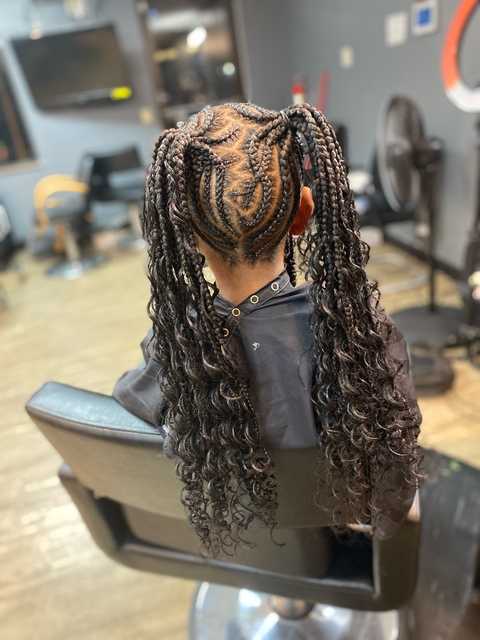
A braided front sew in back is two things at once. The feed-in braids across the front usually stay looking neat longer. The sew-in area in the back is the part that starts telling on you first, especially if you’re working out, wearing hoodies, or dealing with Grandview’s hot, humid summers.
Hair growth rate matters too. If your hair grows quickly, you’ll see more root sooner, and that’s when tangles and matting can start if you keep pushing it. And if your scalp runs oily or you’re using heavy products at the braid base, buildup can make week 5 feel itchy and week 7 feel impossible.
Sew-in longevity habits that actually add weeks (no heavy oils at the braid base)
We’re big on neat parts, clean work, and keeping you comfortable in the chair. People tell us our braids are “neat and clean, ” and that’s the standard we keep. But after you leave, your routine is what decides if your install looks good at week 2 and still looks good at week 6.
Your weekly checklist (simple, fast, and edge-friendly)
- Clean your scalp gently: use a watered-down shampoo or a scalp cleanser, focus on the parts and between braids, then rinse well. Don’t scrub like you’re washing loose hair.
- Dry all the way through: damp braid bases and a damp sew-in track area are where itching and odor start. Pat dry, then sit under a hooded dryer if you can, or use a blow dryer on low heat with patience.
- Mist, don’t grease: a light leave-in spray or a simple water-based mist helps. Heavy oils around the braid base can trap lint and speed up buildup.
- Protect at night: satin scarf plus a bonnet is the easiest combo for most people. It cuts frizz in the front braids and keeps the back from rubbing out.
- Edge care with a light hand: keep tension off your hairline, avoid tight ponytails, and don’t keep redoing baby hairs with sticky products every morning.
- Hands off the tracks: try not to scratch with nails. Tap or press the itch, then cleanse your scalp. Scratching loosens wefts and irritates your scalp.
Swim and sweat tip: If you’re swimming or you’re in the gym a lot, rinse your scalp after, dry thoroughly, and keep anti-frizz serum very light on the loose hair. A little goes a long way.
The 4 fastest ways this style breaks down early (and the easy fixes)
Most early breakdown isn’t about “bad hair.” It’s usually one of these issues that sneaks up.
Too much tension: If it feels tight, don’t “wait it out.” Tightness can turn into soreness and edge stress. Let us know quickly so we can advise next steps.
Product buildup at the root: The fix is lighter products and a consistent scalp cleanse. Clean scalp equals longer wear.
Staying wet too long: Swimming, sweat, and Grandview humidity can keep braid bases damp. Drying fully is what prevents that “week 3 itch.”
Skipping nightly protection: No scarf usually means frizz in the front and matting in the back. Two minutes at night saves you hours later.
Rebook at 3–4 weeks if you’re active, and don’t ignore these red flags
A lot of our regulars come back because we’re on time, we keep a clean space, and we listen to how you want your hair styled. That same consistency is what makes maintenance easy too. If you’re sweating often, swimming, or you’ve got a busy family schedule, plan a quick tidy or tension-check around week 3–4.
And if any of these pop up, don’t wait until it’s “really bad.” That’s when matting and breakage like to show up.
- Persistent itching that doesn’t improve after cleansing
- Noticeable matting at the root or in the sew-in area
- Loose wefts or slipping in the back
- Soreness or tightness around the hairline
Ready for your install in South Grandview? Our Braided Front Sew In Back appointment is 150 minutes and $220, and braiding hair is included. It’s a favorite when you want a clean, braided hairline in front and movement in the back.
We’re an easy stop for Grandview, Kansas City, Raytown, Belton, Unity Village, and Hickman Mills. Call +19139153171 or email tbqcreations01@gmail.com, and tell us what you’re aiming for plus how active your weeks are so we can steer you toward the right maintenance schedule.
Helpful pages: view all hair services and see our style gallery. For full details and location info, visit our Grandview home page.
Braided Front Sew In Back FAQs (straight answers)
How long does a Braided Front Sew In Back typically last before I should remove it?
Plan on 4–8 weeks, with 4–6 weeks being the safest window for most people. If you notice matting at the root, consistent itching, or loose wefts, it’s time to remove or redo sooner.
Can I swim with a Braided Front Sew In Back, and what should I do afterward?
Yes, you can. The key is what you do after. Rinse your scalp and hair, cleanse as needed, and dry thoroughly, especially at the braid base and in the sew-in area. Don’t let it stay damp overnight.
How often should I book a maintenance or tension-check appointment for this style?
If you’re active, sweating often, or swimming, book a check-in around 3–4 weeks. If your schedule is calmer and your scalp stays comfortable, you can usually ride it out closer to 5–6 weeks before removing or reinstalling.
Will a Braided Front Sew In Back cause thinning or damage at my hairline?
It shouldn’t when it’s installed with smart tension and you’re not pulling it into tight styles every day. Damage usually comes from staying installed too long, ignoring tightness, heavy buildup, or repeatedly stressing the edges with slick products and tight ponytails.
What nightly routine protects a Braided Front Sew In Back from frizz and matting?
Wrap the front with a satin scarf, then add a bonnet. If the back is long, loosely gather it so it’s not rubbing your shirt all night. Keep your hands out of it, and skip heavy oils at the braid base.